AI opens a new front in browser wars
Whether made by you or AI, standalone web pages ("web artifacts") are a web primitive and open science depends on them staying open
When you ask AI agents like Claude or ChatGPT to create a chart, visualization, or tool, you get a self-contained HTML page, sometimes called an "artifact". Why? Because you can do almost anything in a browser page: there are millions of tools for text, graphics, interactivity, and all these tools are available to the agent. It's so empowering to create compelling interactive visualizations and your own accessible tools.
My claim: standalone web pages ("web artifacts"), whether made by AI or you, are a web primitive, and open science depends on them staying open.
Theoretically, you can view these web artifacts in your own browser, since they are simply HTML pages, but Claude and ChatGPT want you to run them in their browser window. Claude, for example:
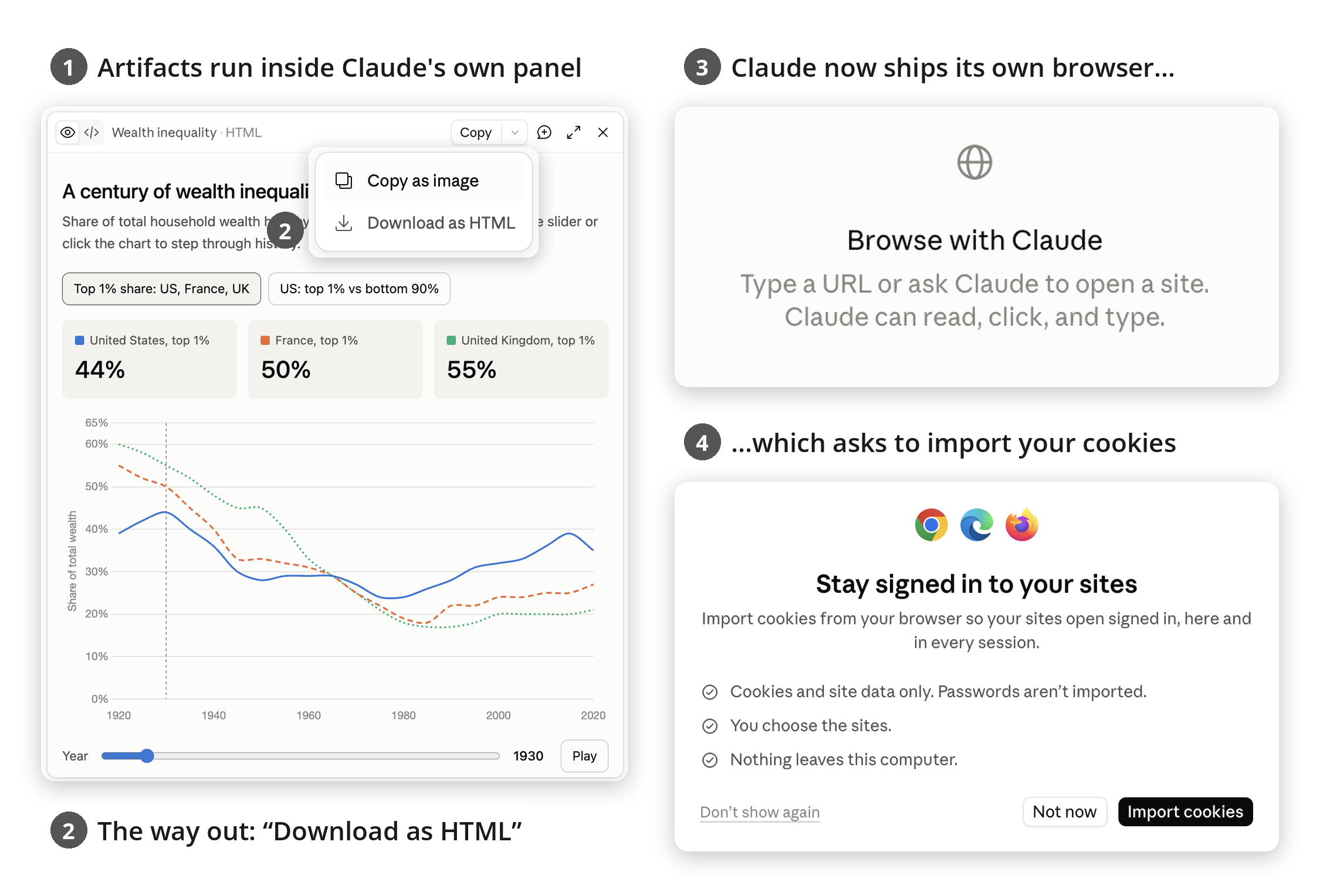
This is presented as for your convenience, and there's a case there: the tool or visualization opens to the side of the chat, and you can iterate and interact. But when you're done, it's cumbersome to get it out of their platform, let alone version it. To be fair, a raw HTML file was never easy to share without a web server, which is what these platforms are providing, but we need open tools as alternatives. If you do not control your browser, you are at the mercy of any sudden change to privacy, monitoring, or anything else:
The browser is a battleground because it's the universal human door to the internet. Universal because almost everyone has access to a browser, and you can do almost anything with a browser. There are of course many other ways of accessing the internet, but other ways are tied to an operating system (apps) or meant for machine-to-machine (APIs). The modern browser is mostly open source, and built around agreed-on web standards (and that is its own battle). It's the closest thing we have to a universal interface that is likely to always work even in the distant future (don't break the internet [1] [2]): evolution demands incremental backwards compatibility, so old warts and suboptimal decisions are carried forward.
We have seen this before. Since the arrival of Netscape, browsers have been a battleground of control, ownership, proprietary standards vs open standards, anti-trust laws, Google spending tens of billions to be the default search engine on Apple devices. Apple forces its slower browser engine on you: you can install Chrome on iOS, but outside of the EU it runs Safari's engine under the hood. The big players spend large amounts of money to encourage or force you to use their browser, and the landscape goes through phases of diversifying and winnowing, with Google's Chrome currently ahead:
This matters for science: if you want to embed these artifacts, such as interactive figures, into scientific discourse or online publications, there is no stated commitment from AI vendors to make web artifacts available forever, and no explicit versioning or policy regarding immutability and open access. If you embed a visualization, and the vendor goes bankrupt or ownership changes, science breaks. Existing publishing platforms like Substack and science data stores such as Zenodo do not allow embedding websites (as iframes) that can be directly viewed (due to what I'd argue are obsolete security concerns).
As a builder of open-source tools, focusing on research and scientific communication, I was motivated to build https://framejs.app to keep web "artifacts" firmly in users' hands: these self-contained, editable websites can be so much more (e.g. Jupyter Notebook cells). From the beginning they have user-focused privacy controls so nobody can add surveillance behind your back, the ability to make immutable versions so that a figure survives a vendor, and open-source so the benefits flow to the community, not just a few for-profit entities.
Already, there's so much you can do with web artifacts: e.g. export them from your own apps, create with AI, share anywhere, create libraries of useful tools for later AI sessions, make them part of scientific workflows, the list goes on. These are "just" websites, but a website with the right hooks and ability to edit directly becomes more than just a website.
Current browser are a success of open-source, and one reason is that they must be treated as a commons (the proprietary approach did not work for Microsoft). The artifacts that run in them need the same as a commercial model will always put user's interests below a public company's fiduciary responsiblity to maximize profit. That's why I think that this needs public support or philanthropy, and why I'm not sure how to sustain framejs, so I welcome ideas on how to sustain public scientific web infrastructure (contact me on Bluesky).
See what people have built: https://framejs.app/gallery
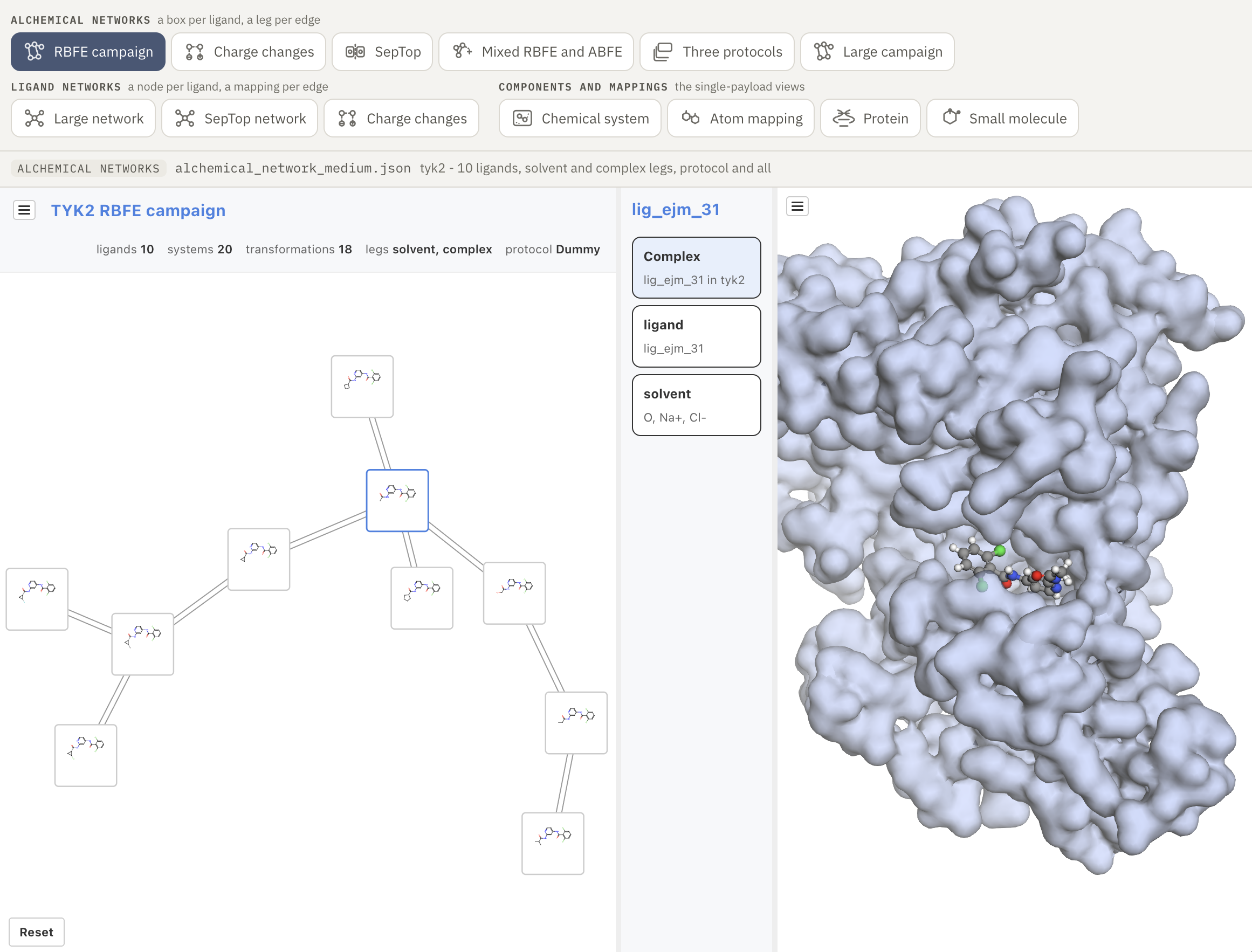
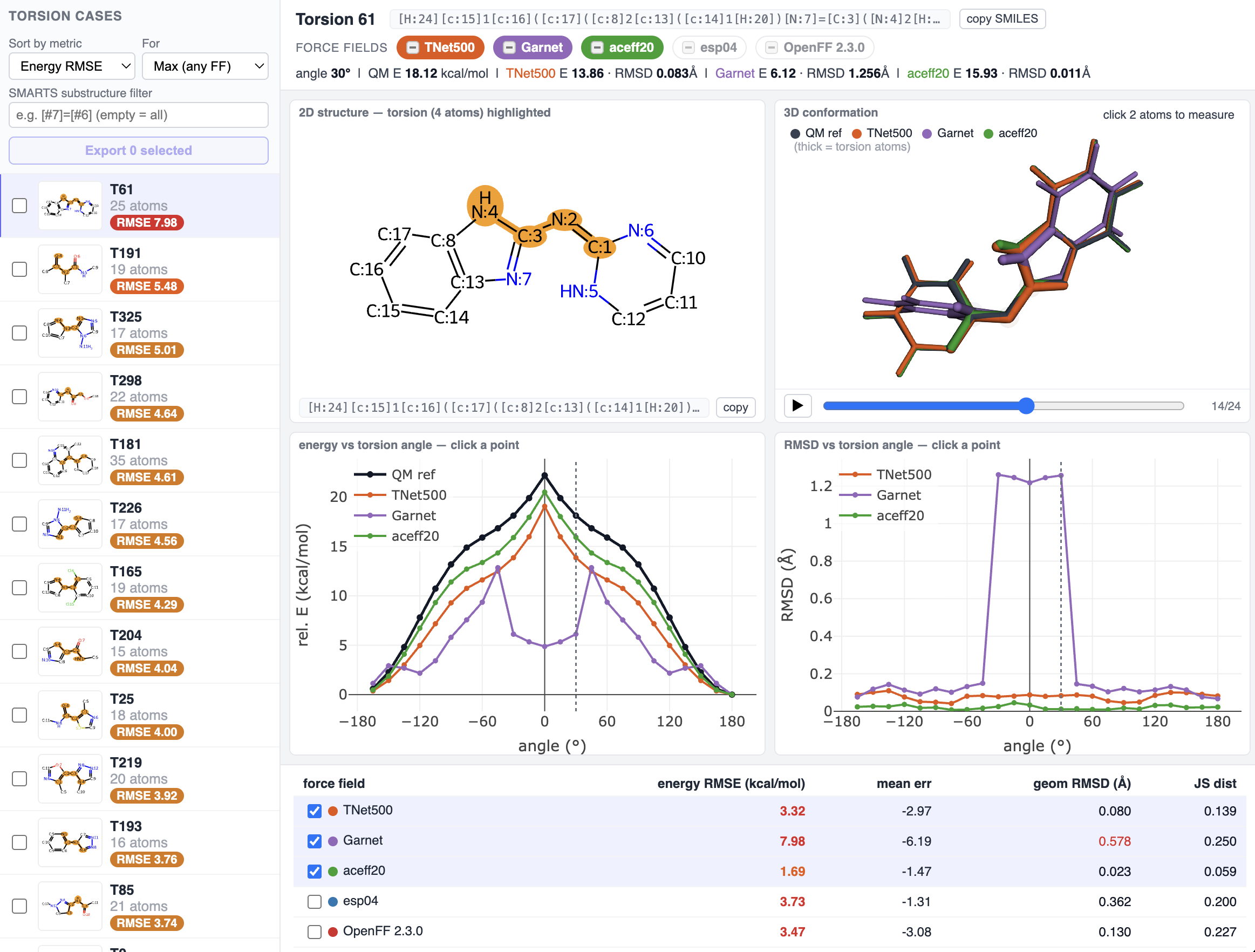
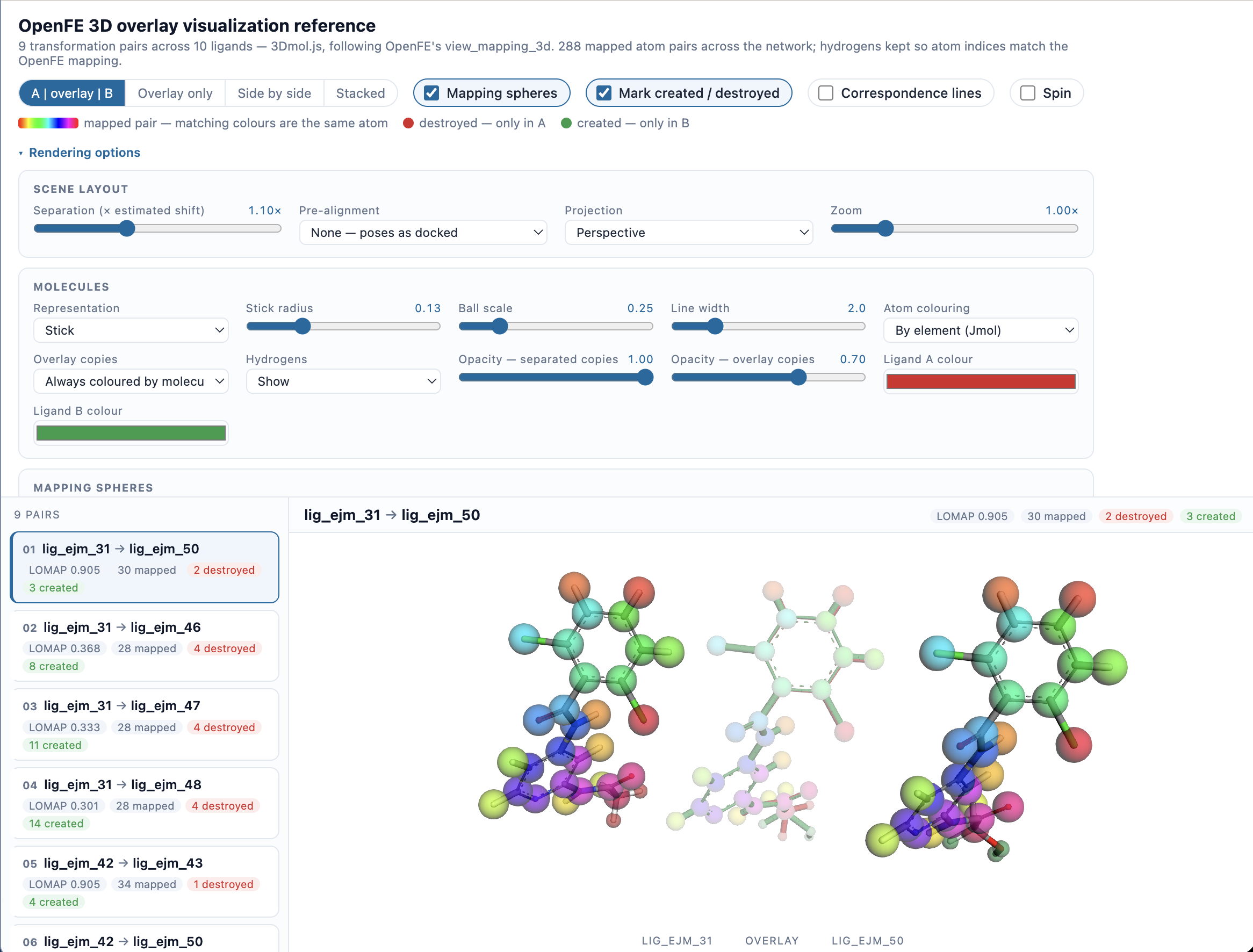
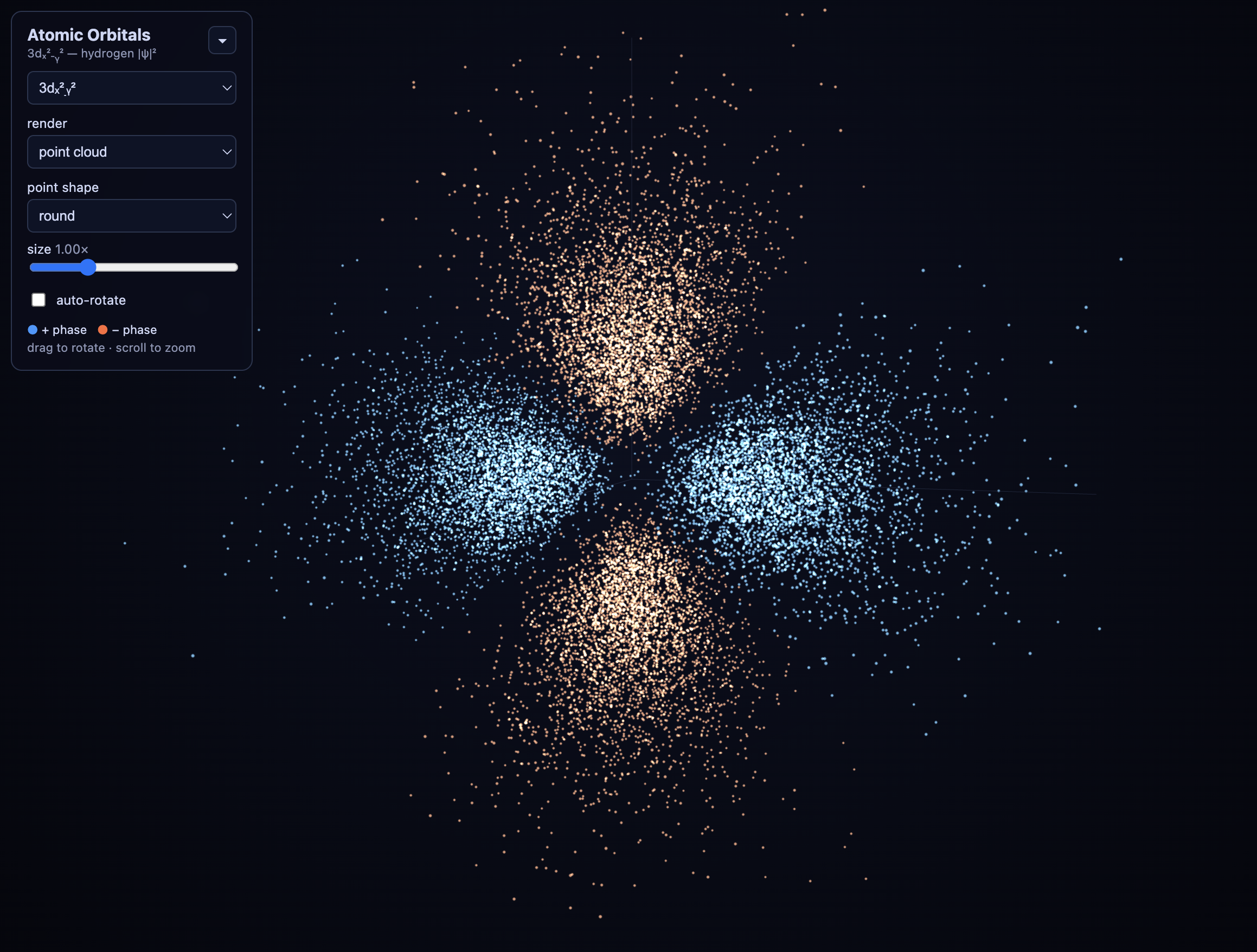
Framejs examples